
Emergency Relief
Nepal Flood Disaster Emergency Relief
Nepal has been suddenly overwhelmed by floods; urgent relief is needed..
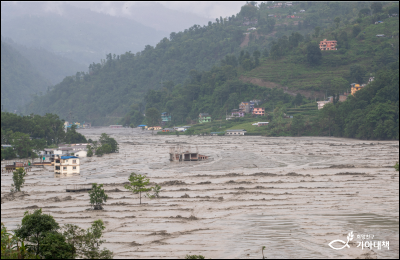
On the morning of the 26th (local time), massive flash floods and landslides struck the mountainous regions of north-central Nepal (specifically the Rasuwa and Nuwakot areas).
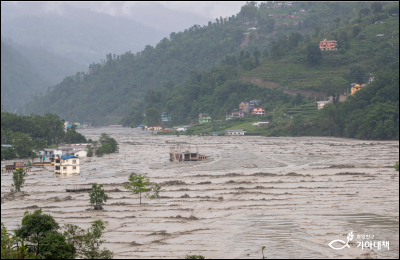
These flash floods were triggered when the collapse of Himalayan glaciers and rock formations blocked a river, causing a sudden, massive surge of water and debris to rush downstream.
A massive torrent of debris and mud, collapsing from upstream, engulfed the village; residents ran desperately to escape the sudden, violent surge of water, but unable to outrun the massive flow that rushed in instantly, they were swept away by the raging current.
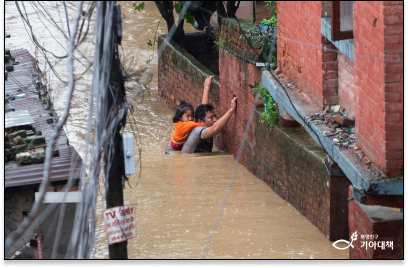
So far, there have been 165 deaths and 826 people reported missing, and nine South Koreans currently in the area remain out of contact. Flooding has caused roads and bridges to collapse and communication lines to be severed, leaving affected areas isolated.
With floodwaters still receding and entire villages blanketed in thick mud and debris, relief workers are facing immense difficulties accessing the area and conducting search-and-rescue operations for the missing.
Every moment counts in getting aid to the disaster zone.
The fear and anxiety among residents in the affected areas have not yet subsided.
Obstructions still block the waterways upstream,
raising warnings of potential secondary flooding,
while fears persist that further landslides and adverse weather could worsen the damage.
There are displaced people trapped beneath collapsed mounds of earth,
and children who have lost their families amid the raging torrents.
The disaster is far from over, and the affected areas urgently need help.
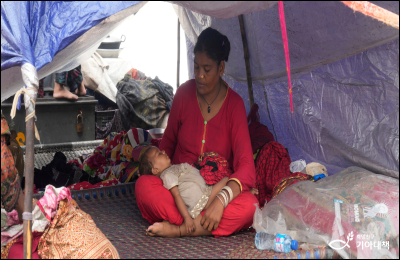
“Your generosity is the only hope of saving their lives. Please extend a helping hand to the desperate disaster victims in Nepal right now.”
Immediately after a disaster, Friends of Hope KAFHI dispatches personnel to assess the damage.
We plan to rapidly deliver emergency relief kits—containing essential items such as food and daily necessities—to disaster victims, especially children and residents in isolated areas.